Cuban Bakery Aurora CO: Ideal Treats for Sharing
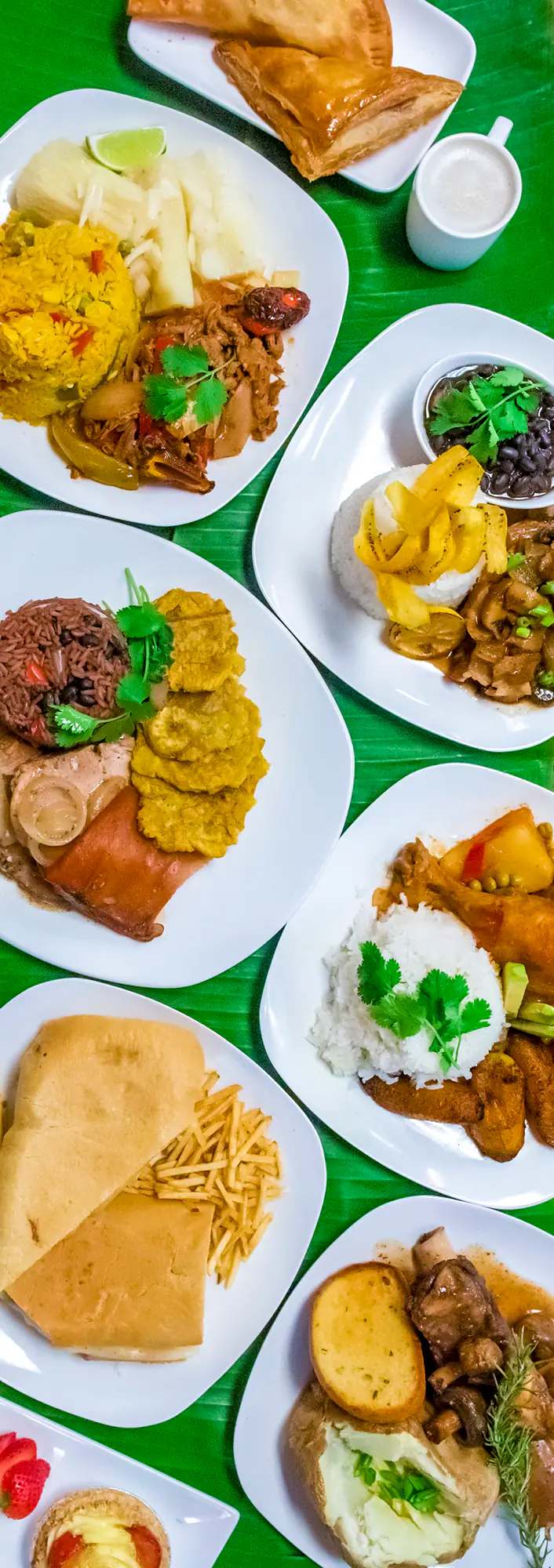
A good bakery changes the pace of a day. You step in for coffee and a pastry, and suddenly a rushed morning feels manageable. A late afternoon pickup turns into the centerpiece of a family visit. That effect is especially strong in a Cuban bakery, where the case is rarely built around single-serving novelty. It is built around abundance, aroma, and food meant to travel well from counter to table. If you have been looking for a Cuban bakery Aurora CO residents can count on for gatherings, office breakfasts, birthdays, and casual weekend visits, it helps to know what makes this style of bakery so well suited to sharing.
Cuban baking has a practical generosity to it. The pastries are often sturdy enough to carry, rich enough to satisfy, and familiar enough that even people who have never stepped into a Cuban bakery usually find something they love on the first visit. That matters in a place like Aurora, where tables often bring together different backgrounds, tastes, and comfort levels. A bakery that can please the person who wants strong coffee and something flaky, the grandparent who wants a guava pastry that tastes close to memory, and the child who just wants something sweet and golden has real value.
What makes the experience stand out is not only the flavor. It is the way these foods fit real life. A box of pastries can handle a drive across town. A tray of croquetas disappears quickly at an office meeting. A loaf of Cuban bread can anchor dinner without any fuss. These are not precious desserts that demand a perfect plating moment. They are working foods, celebratory foods, and community foods all at once.
Why Cuban bakery fare works so well for groups
Sharing food sounds simple until you have to buy it for ten people. Some pastries get soggy fast. Some desserts look impressive but collapse in the car. Some breakfast items satisfy one taste and miss every other. Cuban bakery staples solve many of those problems because they come from a tradition shaped by neighborhood routines. People stop in before work, pick up food for family, and bring pastries to social visits. Over time, the menu naturally favors items that hold up, portion easily, and still taste good an hour later.
Texture plays a big role. Puff pastry with guava or cream cheese has enough structure to survive transport. Cuban sandwiches, when made properly, are pressed so they hold together rather than slide apart. Croquetas are small enough to pass around without ceremony. Cakes often lean lush and celebratory, but they are usually built in a way that allows clean slicing for a crowd. Even the coffee service lends itself to sharing, because one person orders cafecito and suddenly everyone wants a small cup.
There is also a social logic to the menu. Cuban bakery items invite conversation because they sit between snack and meal. A tray of pastelitos can start as breakfast and drift into midmorning coffee. Savory pastries can stand in for lunch during a busy workday. A decorated cake can cap off a family dinner without anyone needing a separate dessert course. The food is flexible, and flexibility is what makes shared eating smooth instead of stressful.
The pastries people reach for first
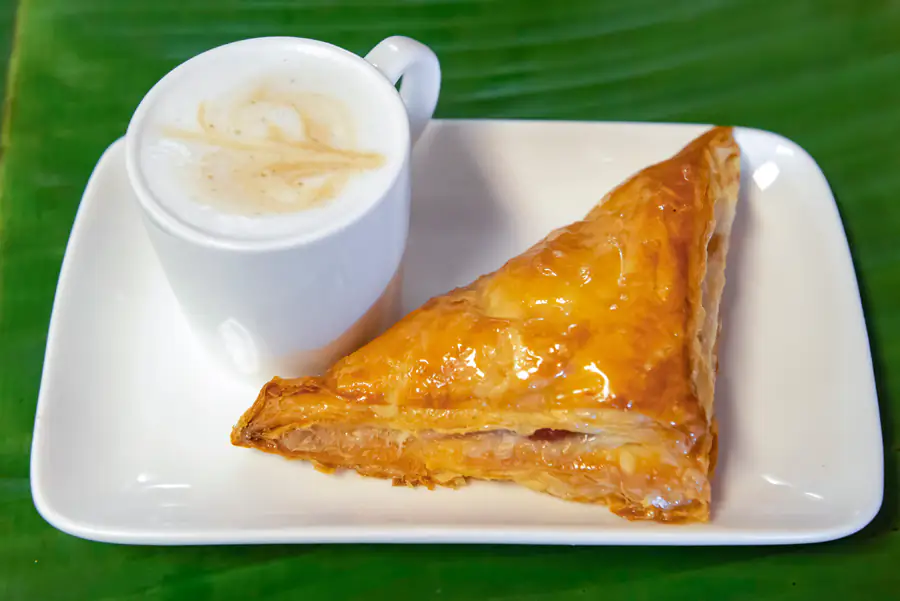
If you are new to the category, start with the items that have earned their place through repetition rather than hype. Pastelitos are often the gateway. The classic version, filled with guava, catches almost everyone off guard the first time. The fruit is bright, floral, and concentrated, and the sugar on top gives the pastry a gentle crackle. Guava with cream cheese tends to win over those who want a softer sweetness. The salty dairy note rounds out the fruit and keeps the bite from becoming one-dimensional.
Then there are savory pastries, which deserve just as much attention. Beef-filled pastries offer a richer, more substantial option, especially useful when you need food that can bridge the gap between breakfast and lunch. Ham and cheese pastries are another dependable crowd-pleaser because the flavor is instantly familiar while the pastry itself feels more special than a standard sandwich.
A tray with variety usually performs best in a group setting because people approach pastry cases differently. Some want fruit, some want cheese, some want savory, and some do not know what they want until they see what the person next to them picks. Mixed boxes solve that problem. In practice, the most successful assortment usually balances sweet and savory in roughly equal measure. Go too sweet, and the last pastries sit untouched. Go too savory, and people hunting for a coffee companion feel shortchanged.
One detail experienced buyers learn quickly is timing. Fresh pastry has a short golden window where the exterior still flakes cleanly and the filling has settled just enough. If you are buying for a meeting or family event, picking up close to serving time makes a real difference. Even thirty or forty minutes can matter, especially with puff pastry. That does not mean the pastries become bad later, only that the magic is strongest early.
Cuban bread is more useful than many people realize
People often focus on pastries first, but the bread deserves equal respect. Good Cuban bread can rescue a dinner plan, improve a sandwich spread, and stretch a meal without making it feel cheap. The ideal loaf has a light crust and an interior that stays airy rather than dense. It should tear easily, crisp up well, and carry fillings without dominating them.
For sharing, bread succeeds because it is adaptable. You can slice it for pressed sandwiches, set it on the table with butter, use it to accompany soups, or turn it into garlic toast with almost no effort. In homes where guests come and go throughout the day, a fresh loaf rarely lasts long. Someone cuts a piece while coffee brews, someone else uses it for a late lunch, and by evening only crumbs remain.
There is also a cultural comfort in bread that should not be underestimated. Pastries can feel like a treat. Bread feels like provision. Bringing a loaf to a family gathering says something slightly different from bringing dessert. It says you are contributing to the meal itself, not only to the indulgence at the end. In mixed company, where not everyone wants sweets, that can be the smarter move.
Savory staples that disappear fast
A strong Cuban bakery is not only a pastry counter. It is often a lunch solution, a catering shortcut, and a rescue for anyone who forgot they volunteered to bring food. Savory items tend to vanish first because they hit a wider appetite range. Someone who would skip dessert might still grab two croquetas without thinking.
Croquetas, in particular, are a textbook sharing food. They are compact, easy to eat standing up, and deeply satisfying. A crisp exterior gives way to a creamy interior, often with ham or chicken folded into the mixture. They pair naturally with coffee in the morning and make equal sense as an afternoon snack. In office settings, they tend to outperform larger items because nobody has to commit to a full portion right away.
Empanadas and stuffed pastries serve a similar role. They travel well, reheat reasonably, and cover the needs of people who want savory food first. Cuban sandwiches belong in the conversation too, especially if you are feeding a smaller group and want something more substantial. Pressed correctly, they hold heat and structure better than many deli sandwiches. The combination of roast pork, ham, Swiss cheese, pickles, and mustard gives enough contrast that even a half sandwich feels complete.
Here is where judgment matters. If the event is built around mingling, https://fernandobkbw650.iamarrows.com/why-cuban-bakery-aurora-co-is-perfect-for-dessert-lovers finger foods and pastries make the most sense. If people will sit down and expect a meal, sandwiches and larger savory items should lead. The mistake I see most often is buying only sweets for a gathering scheduled near lunchtime. People enjoy them, but they keep glancing around for something with salt and substance.
Cakes that carry a celebration without becoming heavy
Cuban cakes often have a reputation for richness, and that reputation is deserved, but the better ones balance richness with lift. A classic sponge cake, especially one brushed or soaked with syrup, can be deeply moist without becoming leaden. Fillings vary, but fruit and cream combinations remain especially popular for good reason. They feel festive, slice neatly, and appeal to a wide age range.
For birthdays and larger family occasions, a cake from a Cuban bakery often succeeds because it sits in a familiar sweet spot. It is celebratory enough for the person being honored, but not so ornate or stylized that half the room hesitates to eat it. People who grew up with these cakes tend to head straight for them. People who did not often appreciate the texture once they try it, especially if the sweetness is balanced.
The practical side matters too. A good bakery can usually guide portioning better than customers expect. A cake that looks modest can serve more people than you think if slices are cut for a dessert course rather than a large standalone serving. On the other hand, if the event includes children or a crowd that expects leftovers, ordering too small creates awkwardness fast. When uncertain, it is safer to ask for guidance and describe the event honestly. Bakery staff hear these scenarios every day and usually know how local customers actually serve cake, not just what a chart says.
Coffee is not an afterthought
No conversation about a Cuban bakery Aurora CO locals seek out for sharing is complete without coffee. Cuban coffee changes the mood of a table. It is intense, sweet, and social by design. One small cup can energize a whole conversation, and a round of cafecito often becomes the bridge between food courses or the excuse for everyone to linger a little longer.
This is one of the pleasures people underestimate before they experience it. A box of pastries is good on its own. The same box paired with strong coffee feels complete. Sweet pastries become more balanced. Savory items gain contrast. Even a plain piece of bread makes sense next to a small, potent cup.
For hosts, coffee also solves a common timing issue. Guests do not always arrive hungry at the same moment, but they will often accept coffee while waiting. That buys breathing room. It keeps the gathering warm and active while trays are set out or the last family members arrive. In a practical sense, coffee is hospitality insurance.
How to build a box that actually gets eaten
When buying for a group, variety matters, but random variety can backfire. A successful order should account for appetite, timing, and familiarity. If the crowd includes people who know Cuban bakery staples well, lean into tradition. If the group is mixed, include anchor items that feel recognizable alongside more classic specialties.
A reliable shared order usually works best when it includes these elements:
- A sweet pastry with fruit, such as guava or guava and cheese.
- A savory pastry or croquetas for balance.
- Bread or sandwiches if the gathering falls near a meal.
- Coffee, especially if people will stand and chat.
- One larger celebratory item, such as a cake, if the event has a clear guest of honor.
The reason this formula works is simple. It gives everyone an easy starting point. Familiar eaters find comfort. Adventurous eaters still get enough range to explore. Nobody feels trapped between sugar overload and hunger.
There is one trade-off worth mentioning. Variety boxes look generous, but too much variety can leave you with singles of everything and no clear favorite for seconds. For groups larger than eight or ten, doubling up on proven items usually works better than ordering one of every pastry in the case. Shared food performs best when people can go back for what they liked.
What to look for when choosing a bakery
Not every bakery with Cuban items offers the same experience. The strongest shops usually reveal themselves through a few signs that have nothing to do with polished branding. You notice turnover. You notice the pastry case being replenished. You notice regulars ordering quickly because they know the menu well. You notice the smell of butter, coffee, toasted bread, and baked dough hitting before you even read the labels.
Freshness matters more than display perfection. A slightly uneven tray of pastries that just came out is more promising than a flawless case that looks untouched. Ask simple questions. Which pastries came out recently? What holds up best for a drive? If you need an item for later in the day, what reheats well and what is best eaten immediately? Good staff usually answer directly, and direct answers are often the best sign that a place values repeat business over a one-time sale.
Pay attention to pacing, too. Some bakeries are ideal for a quick in-and-out morning stop. Others shine when you place a larger order ahead. If you are ordering for an office, a birthday, or a weekend gathering, a short phone call ahead of time can save frustration. It also gives the bakery a better chance to prepare the mix you want rather than whatever remains in the case at a busy hour.
Sharing food across generations and tastes
One reason Cuban bakery food has such staying power is that it crosses generations well. Children are drawn to flaky pastry, sugar, and soft cake. Adults appreciate the coffee, the savory balance, and the nostalgia. Older family members often recognize flavors that connect directly to memory. At a mixed table, that breadth is rare.
I have seen this play out at casual gatherings where nobody planned to make the food a focal point. A box opens, someone reaches first for a guava pastry, another person breaks a croqueta in half to share, and within minutes the table has a center. The food does not ask for explanation, but it rewards curiosity. Someone who has never tried guava before takes a bite because the person next to them insists. Someone who came only for coffee ends up taking bread home. That is part of the appeal. Shared bakery food creates easy points of entry.
For Aurora, that matters. It is a city where many households and workplaces bring together people from different food traditions. A Cuban bakery fits that setting because the menu is distinct without being intimidating. It offers identity, but it also offers familiarity. That balance is hard to achieve and even harder to fake.
Making the most of a bakery stop in Aurora
If your goal is to find the right Cuban bakery Aurora CO option for sharing, go in with a purpose but stay flexible. Know whether you are feeding a breakfast crowd, bridging the gap to lunch, or celebrating with cake. Ask what is freshest. Buy a little more savory food than your sweet tooth initially suggests. If coffee is available, add it. If bread is fresh, do not overlook it.
Timing matters enough to plan around. Morning favors pastries, bread, and coffee at their peak. Midday can be best for sandwiches and savory items. Larger cake pickups should be arranged with enough notice to avoid disappointment, especially around holidays and graduation season when bakery demand tends to spike.
If you are serving at home, resist the urge to refrigerate everything automatically. Many pastries suffer in the fridge. Room temperature is often better for short windows, while bread benefits from proper wrapping rather than chilling. Savory items can often be refreshed briefly in the oven, which brings back exterior crispness better than a microwave ever will. Small handling choices make a noticeable difference.
The best part of bringing Cuban bakery food to a table is that it rarely feels stiff. It encourages people to reach, split, compare, and go back for one more piece. That ease is why these foods have lasted. They are delicious, certainly, but they are also useful in the best sense of the word. They make hospitality easier.
A strong Cuban bakery offers more than sweetness. It offers solutions for real gatherings, from casual coffee visits to milestone celebrations. In Aurora, where shared meals often reflect many backgrounds at once, that kind of bakery can become part of the local routine very quickly. When the pastries are fresh, the coffee is strong, and the bread still carries a little warmth, the box on the table does more than feed people. It gives them a reason to stay a little longer.
Cuba Bakery & Café
15028 E Mississippi Ave, Aurora, CO 80012
+1 303-752-2822
FAQ About Cuban bakery Aurora CO
What are Cuban pastries called?
Many small Cuban pastries are called pastelitos. They can have sweet or savory fillings, such as guava, cheese, guava and cheese, or seasoned meat. Cuba Bakery & Café lists guava, cheese, guava-and-cheese and beef pastries on its menu. Ask the bakery about current availability and ingredients when ordering.
What are traditional Cuban pastries?
Common Cuban bakery choices include flaky pastelitos filled with guava, cheese or meat. Cuban bakeries may also offer empanadas, breads and desserts alongside coffee. Cuba Bakery & Café lists pastelitos, several empanada fillings, pan Cubano and desserts such as tres leches and bread pudding. Selection can vary, so confirm the day's choices with the bakery.
What makes Cuban bread different?
Cuban bread is known for its light interior and a thin crust that becomes crisp when toasted or pressed. Traditional recipes often use lard, although ingredients vary by baker. It is commonly served as buttered toast or used for Cuban sandwiches. Cuba Bakery & Café lists pan Cubano and tostada on its menu; ask staff about the ingredients in their bread if you have dietary restrictions.